

The Changing Birthrate Landscape
The American birthrate has been declining for over a decade, with only slight increases in 2023 and 2024. Even with these upticks, U.S. birth rates remain well below those of Europe, Asia and Africa.
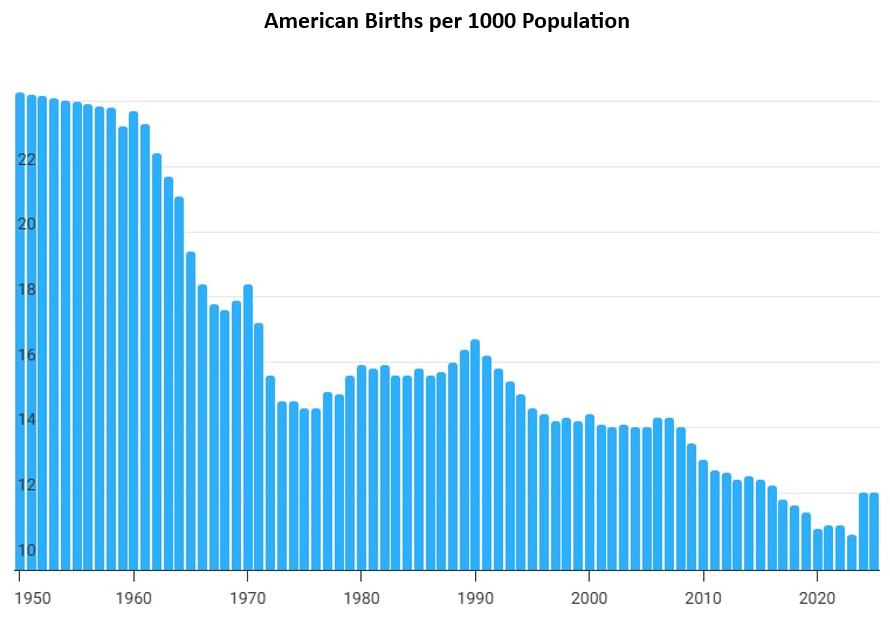
While this trend may seem alarming, it hasn’t necessarily translated into reduced delivery volumes at the practice level. In fact, many Coronis Health clients have seen stable or even increasing case volumes:

This stability suggests that while fewer babies may be born nationally, the percentage of mothers opting for labor epidurals is increasing. This shift in patient preference presents a unique opportunity for anesthesia practices to enhance their value proposition.
The Value of Epidural Management
Labor epidurals are not only clinically impactful; they also offer a rare billing advantage. The actual time spent placing an epidural is relatively short, yet it allows the provider to continue medically directing other cases. This is one of the few exceptions to medical direction exclusions, making it a highly efficient and revenue-generating activity.
Despite this, the payer mix for OB anesthesia remains challenging. Unlike surgical cases, OB anesthesia sees little to no Medicare but a growing percentage of Medicaid and self-pay patients.
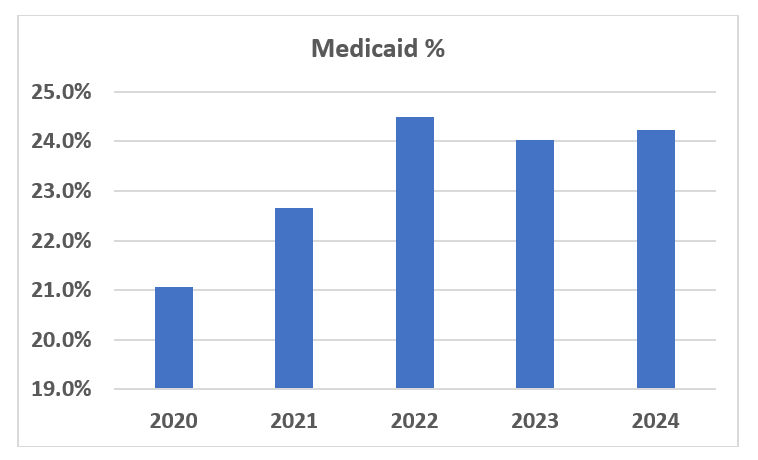
The actual case value is influenced by your unique payer mix, as illustrated in the sample data from our client base below.
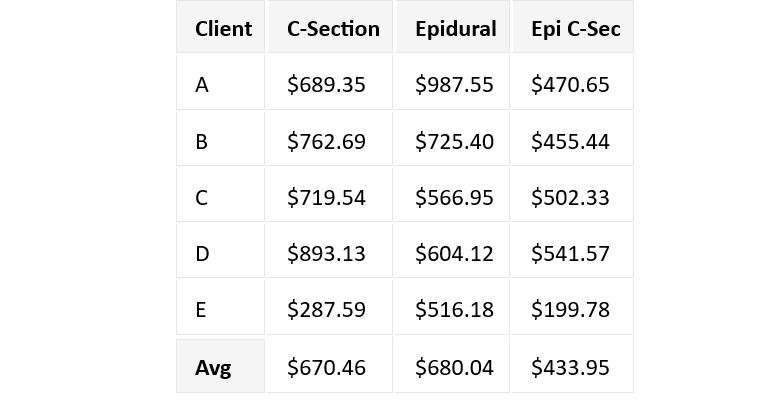
While average yield metrics may vary, the efficiency and strategic placement of labor epidurals continue to offer strong value—particularly when providers are embedded in OB and available to initiate care promptly. This approach not only enhances patient experience but also supports optimal resource utilization. Practices that prioritize dedicated OB staffing consistently see longer-running epidurals and higher capture rates compared to those with more reactive coverage models.
Navigating Financial Support and Contract Strategy
Because OB coverage requires round-the-clock availability, it is often the least profitable line of business for anesthesia groups. As a result, many practices rely on hospital subsidies to offset the cost of care.
Given this reality, the question becomes: how can anesthesia practices turn this challenge into an opportunity?
- Highlight the increasing demand for labor epidurals.
- Emphasize the efficiency and billing advantages of epidural placement.
- Collaborate with OB teams to ensure timely initiation and maximize running times.
- Use data to advocate for appropriate financial support based on actual coverage and value delivered.
Conclusion
OB anesthesia may be one of the most complex areas to manage financially, but it also holds untapped potential. By reframing the narrative around efficiency, patient preference and strategic staffing, practices can position themselves not just to survive—but to thrive—in a changing healthcare landscape.